Valentine’s Day Pattern: A Love Pattern for Creative and Business Innovation
In the world of design, marketing, and creative expression, the Valentine’s Day Pattern has emerged as a powerful tool that transcends traditional boundaries. This love pattern is more than just a visual motif—it represents a dynamic intersection of art, commerce, and consumer culture. Whether you're a designer, entrepreneur, or marketer, understanding the significance of this pattern can open new doors for your work.
What Is a Valentine’s Day Pattern?
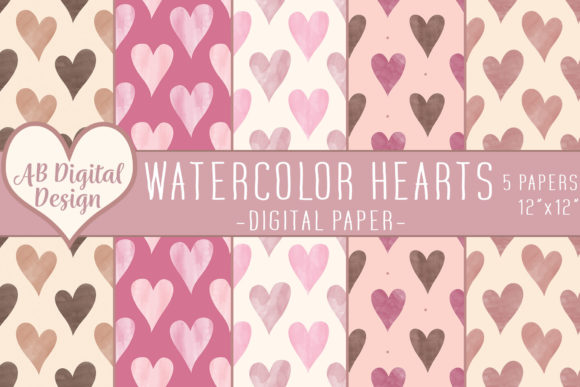
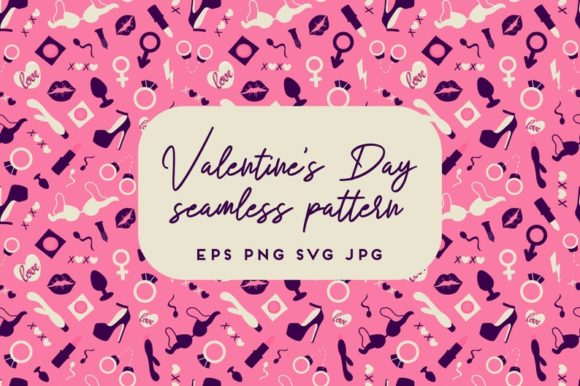
A Valentine’s Day Pattern is a recurring design element inspired by the themes of love, romance, and celebration associated with February 14th. These patterns often feature hearts, cupids, flowers, and other symbolic imagery that evoke feelings of affection and connection. The love pattern itself is not limited to one style; it can be minimalist, intricate, vintage, or modern, depending on the intended use.
These patterns are not just for greeting cards or romantic gifts. They have become versatile assets in various industries, from sex shops and sex toys to stationery, packaging, and digital media. Their adaptability makes them valuable for both personal and commercial applications.
The Broader Industry and Market Context
The rise of the Valentine’s Day Pattern reflects broader trends in the creative and commercial sectors. As consumers increasingly seek personalized and meaningful experiences, designers and businesses are turning to these patterns to create unique, emotionally resonant products. This shift aligns with the growing demand for customization and storytelling in marketing and product design.
In the sex shop industry, for example, the love pattern serves as a subtle yet effective way to communicate intimacy and desire. By incorporating these designs into packaging, promotional materials, or digital content, businesses can create a more engaging and appealing brand identity. Similarly, in the realm of sex toys, the use of such patterns can enhance the aesthetic appeal and emotional connection between the product and its user.
For entrepreneurs and freelancers, the Valentine’s Day Pattern offers an opportunity to differentiate their offerings in a crowded market. Whether you’re creating digital paper designs for print, developing stationery, or designing for e-commerce, this pattern can add value and appeal to your work.
Why People Are Paying Attention to This Pattern
One reason the love pattern is gaining traction is its ability to connect with people on an emotional level. In a fast-paced, digital-first world, consumers are seeking authenticity and meaning in the products they buy. A well-designed Valentine’s Day Pattern can evoke nostalgia, joy, and a sense of warmth—qualities that resonate deeply with audiences.
Additionally, the versatility of these patterns makes them attractive to a wide range of professionals. From graphic designers looking for inspiration to marketers aiming to craft compelling campaigns, the love pattern provides a flexible foundation for creativity. It can be adapted to fit different styles, platforms, and audiences, making it a valuable asset in any creative workflow.
Changing Needs and Preferences
As consumer preferences evolve, so do the expectations for design and branding. Today’s audiences are more discerning and demand high-quality, visually appealing content. The Valentine’s Day Pattern meets these expectations by offering a balance of beauty and functionality. It can be used to create eye-catching visuals for social media, websites, or physical products, ensuring that your message stands out in a competitive landscape.
Moreover, the trend toward sustainability and eco-consciousness has influenced how these patterns are used. Many designers now prioritize reusable and printable formats, such as EPS vector files, PNG elements, JPG elements, and SVG files. These formats allow for high-resolution printing on paper and textiles, reducing waste and supporting environmentally friendly practices.
Practical Applications and Observations
The Valentine’s Day Pattern is not just a decorative element—it has practical applications across multiple industries. For instance, in the field of packaging design, these patterns can be used to create eye-catching boxes, labels, and wrapping paper that stand out on store shelves. In scrapbooking and stationery, they offer a way to add a personal touch to journals, planners, and greeting cards.
For digital creators, the availability of downloadable formats like zip files makes it easy to integrate these patterns into projects. Whether you're working on a page planner, a flyer, or a website, having access to high-quality digital assets ensures consistency and professionalism in your output.
Another benefit of the love pattern is its potential for branding. Companies that incorporate these designs into their marketing materials can build a stronger emotional connection with their audience. This is especially true for brands targeting younger demographics who value creativity, individuality, and self-expression.
Connecting to Larger Developments
The popularity of the Valentine’s Day Pattern is part of a larger movement in design and consumer culture. As technology continues to shape how we interact with the world, the demand for visually engaging and emotionally resonant content is increasing. This trend is evident in the rise of digital paper and print-on-demand services, which allow creators to produce custom designs quickly and efficiently.
Furthermore, the integration of vector files and scalable graphics into design workflows reflects a shift toward flexibility and precision. These formats enable designers to maintain quality at any size, ensuring that their work looks professional whether it's printed on a business card or displayed on a billboard.
Stay Connected and Explore New Possibilities
If you're interested in staying updated on the latest Valentine’s Day Patterns and love patterns, consider subscribing to my updates. I regularly share new designs, insights, and resources that can help you stay ahead in the ever-evolving world of creative and commercial design.
Have questions or need assistance? Leave me a message and I’ll be happy to help. Your feedback and suggestions are invaluable in shaping the future of these patterns and their applications.
Thank you for visiting, and I hope you find inspiration in the Valentine’s Day Pattern and the love pattern it represents. Together, we can continue to explore new ways to express love, creativity, and innovation.