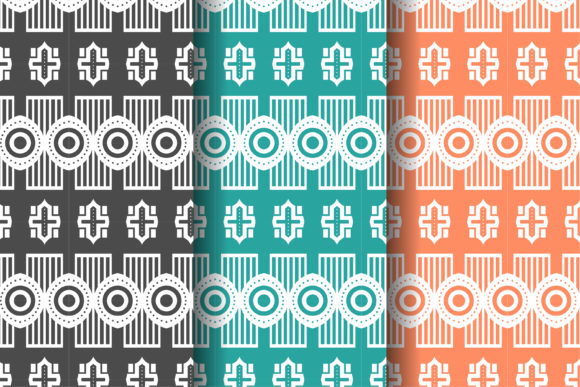
Abstract Pattern. Natural Earthy Colors
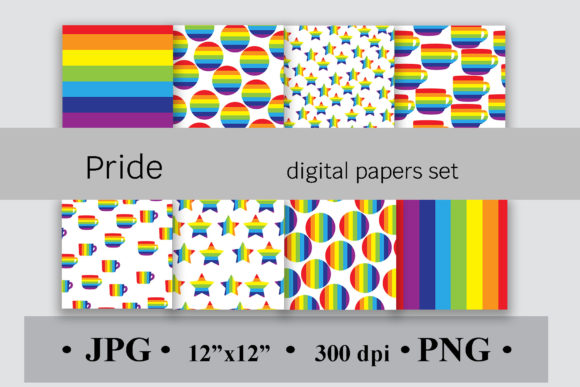
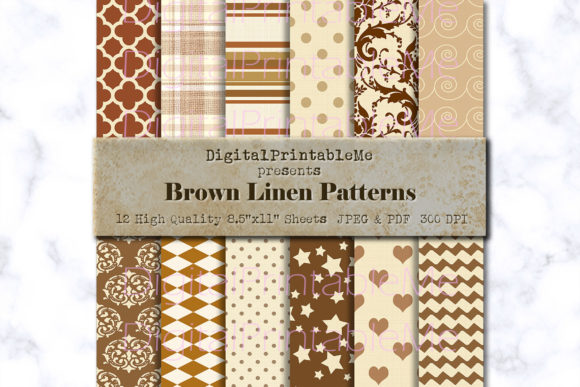
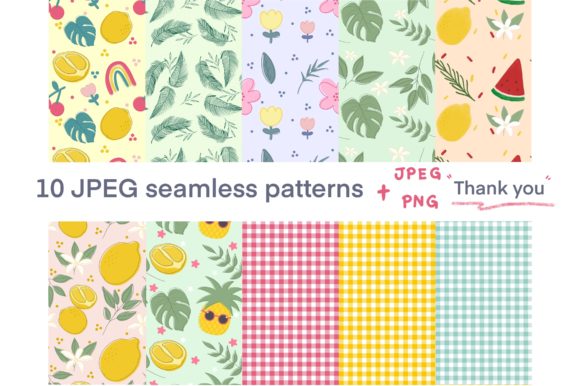
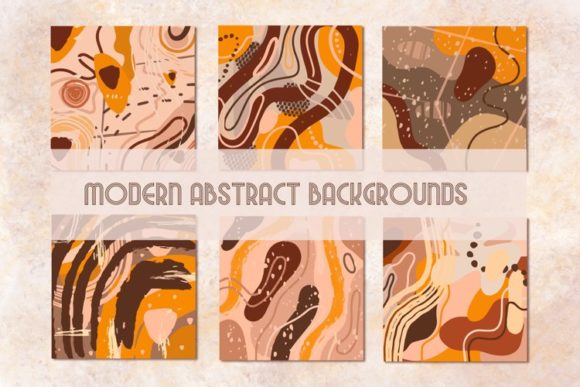
Abstract Pattern. Natural Earthy Colors is a digital design resource that offers a collection of modern abstract backgrounds and natural earthy color palettes. These patterns are ideal for enhancing visual appeal across various creative and professional projects. Whether you're designing a blog, website, or printed materials, these textures provide a versatile foundation that can elevate your work with subtle sophistication.
The set includes 6 folders with multiple formats, such as EPS and JPEG at 300 dpi, ensuring high-quality output for both digital and print use. This makes it an essential addition to any designer's toolkit, especially those working on textile, paper, or graphic design projects.
Understanding the Role of Abstract Patterns in Design Workflows
Abstract patterns play a crucial role in design workflows by providing a visual framework that supports creativity without overwhelming the viewer. In the context of Natural Earthy Colors, these patterns offer a balance between modern aesthetics and organic inspiration. They can be used as background elements, texture overlays, or standalone design components depending on the project's needs.
When integrating these patterns into your workflow, consider how they complement other design elements such as typography, images, and color schemes. The natural earthy tones provide a calming and grounded feel, making them suitable for projects that aim to evoke a sense of peace, sustainability, or connection to nature.
Applications Across Different Projects
Abstract Pattern. Natural Earthy Colors is highly adaptable and can be applied in various ways depending on the project. For instance, in web design, these patterns can serve as subtle background textures that enhance user experience without distracting from the main content. In print media, such as flyers or book covers, they add depth and visual interest while maintaining a clean and professional look.
For textile and paper products, the high-resolution JPEG files ensure that the patterns remain crisp and detailed when printed. This makes them perfect for creating custom stationery, fabric designs, or packaging materials that reflect a natural and modern aesthetic.
Before, During, and After Your Creative Process
Before starting a design project, using Abstract Pattern. Natural Earthy Colors can help establish a visual direction. By experimenting with different patterns and color combinations, you can quickly define the mood and style of your work. This can save time during the actual design phase by providing a clear reference point.
During the creative process, these patterns can act as a source of inspiration. They can be layered over existing designs to test how different textures interact with other elements. This allows for more dynamic and thoughtful decision-making throughout the project.
After completing a project, these patterns can be used for quality control checks. Ensuring that the final output maintains the intended visual harmony is essential, and having access to these textures can help verify consistency across different mediums and formats.
Integration with Other Tools and Resources
Abstract Pattern. Natural Earthy Colors works well with a variety of design software, including Adobe Photoshop, Illustrator, and InDesign. Its compatibility with EPS and JPEG formats ensures that it can be easily imported and manipulated within these platforms. This flexibility allows designers to integrate the patterns seamlessly into their existing workflows.
When paired with other design assets, such as vector graphics or photographs, these patterns can create a cohesive and visually appealing composition. For example, using a natural earthy background with a minimalist logo can result in a balanced and professional design that communicates clarity and simplicity.
Practical Implementation Tips
To get the most out of Abstract Pattern. Natural Earthy Colors, start by organizing your design assets. Create a dedicated folder for these patterns so they are easily accessible when needed. This helps maintain efficiency, especially when working on multiple projects simultaneously.
When applying these patterns, consider the scale and placement carefully. Overusing them can lead to visual clutter, so it's best to use them strategically. A small texture overlay on a background or a subtle pattern on a header can make a significant impact without overpowering the design.
Testing the patterns in different contexts is also important. Preview how they look on both light and dark backgrounds, and check their appearance at various sizes. This ensures that they remain effective and visually pleasing across different applications.
Workflow Examples and Observations
One practical example of using Abstract Pattern. Natural Earthy Colors is in the creation of a blog theme. By applying a soft texture as a background, you can add depth and character to the site without compromising readability. This approach enhances the overall user experience while maintaining a clean and modern look.
Another example is in the design of a product catalog. Using these patterns as page dividers or section headers can create a visually engaging layout that guides the reader through the content. This not only improves the aesthetic appeal but also supports better information organization.
Observing how these patterns perform in real-world scenarios can also provide valuable insights. Pay attention to how users interact with designs that incorporate these textures. This feedback can inform future design decisions and help refine your approach to using abstract patterns effectively.
Long-Term Use and Maintenance
As a digital asset, Abstract Pattern. Natural Earthy Colors is designed for long-term use. Keeping the files organized and backed up ensures that they remain accessible for future projects. Regularly updating your design library with new resources can also help maintain a fresh and dynamic workflow.
Consistency is key when using these patterns across multiple projects. Establishing a standard for how and where they are applied can help maintain a cohesive brand identity. This is especially important for businesses or creators who want to ensure a unified visual presence across all platforms.
Finally, staying informed about design trends and techniques can help you make the most of these patterns. While Natural Earthy Colors offers a timeless aesthetic, understanding how to adapt and evolve your use of these textures can keep your work relevant and impactful over time.